
How Affordable Basement Sealing Works: Practical, Cost‑Smart Waterproofing for Albany Homes
Keeping water out of a basement requires the right mix of materials and drainage fixes that stop moisture where it starts, protect the structure, and limit mold. At Adry Basement Waterproofing in Albany, NY, we focus on sensible, budget‑aware solutions. This guide walks homeowners through common, affordable sealing methods, when each makes sense, and how local conditions—heavy clay soils and seasonal freeze/thaw—shape the best choice. You’ll find clear explanations of interior coatings, targeted crack repairs, basic exterior sealants, and drainage options like French drains and sump pumps. We also map the main cost drivers, outline realistic DIY limits, explain crawl space encapsulation benefits, and give practical criteria so you can choose an effective, affordable path for your Albany property. Read on for side‑by‑side comparisons, simple how‑to steps, and decision points tailored to local basements.
What Are the Most Affordable Basement Sealing Techniques?
Affordable sealing methods either block water at the wall surface or relieve hydrostatic pressure by redirecting it. The most common, budget‑friendly approaches include interior waterproof coatings, hydraulic cement for active cracks, epoxy or polyurethane crack injections, and targeted exterior work such as sealants, grading fixes, and downspout extensions. Each option balances cost, durability, and suitability depending on whether water is slowly seeping, pushed by pressure, or entering through visible cracks. Below are the typical inexpensive choices and when they’re a practical preventive or interim fix.
Key priorities when planning an affordable seal are finding the water source, improving drainage, and choosing materials that work with masonry.
- Interior waterproof coatings: Roll or brush on an acrylic or elastomeric coating to stop minor seepage and cut vapor transmission.
- Hydraulic cement: Use on active leaks at joints and cracks; it expands to plug the opening quickly.
- Epoxy or polyurethane crack injection: Inject a resin to bond and seal narrow structural cracks from the inside.
- Targeted exterior sealants and downspout work: Regrade trouble spots, seal visible penetration points, and extend downspouts to move water away from the foundation.
These lower‑cost techniques perform best when paired with simple drainage fixes and routine upkeep to reduce the chance of more invasive repairs later.
Below is a compact comparison table showing typical cost levels, best uses, and limitations so you can judge realistic options for budget‑sensitive projects.
This table helps align material and labor choices with realistic performance expectations and shows when a technique is likely to be a temporary measure.
How Do Interior Basement Sealants Like Waterproof Paints and Coatings Work?
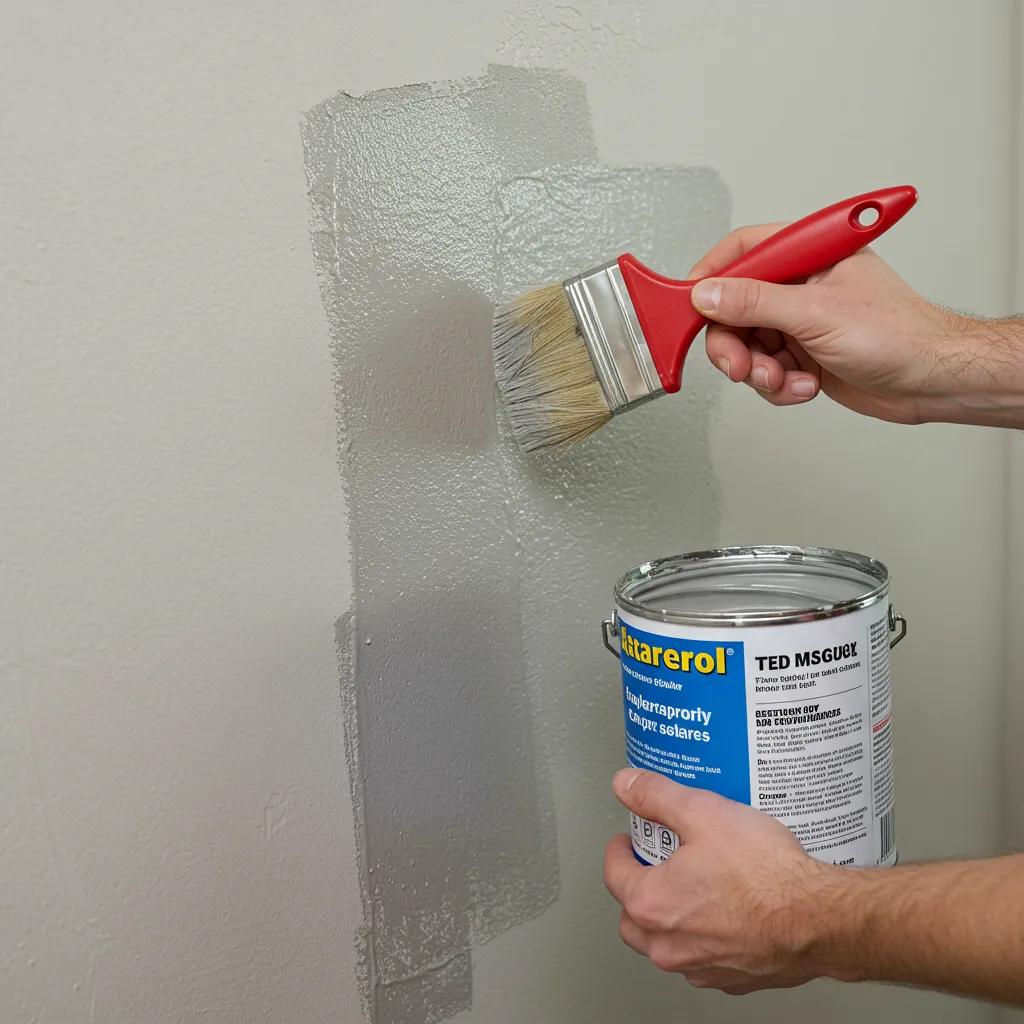
Interior sealants form a surface barrier that reduces moisture transfer through concrete and masonry. Common products are acrylic or elastomeric coatings that stick to a properly prepared wall and allow a bit of movement without cracking. Good surface prep—cleaning, removing efflorescence, and patching defects—greatly improves adhesion and lifespan. Coatings cut vapor transmission and stop hairline seepage, preventing mold and staining, but they don’t relieve water pressure sitting behind a wall. Homeowners usually apply these over dry, primed surfaces and should expect occasional touch‑ups; for lasting success, pair coatings with drainage fixes that address the root cause.
Think of interior coatings as a practical first line of defense, most effective when combined with exterior grading or interior drains that keep groundwater from saturating the wall.
What Basement Crack Repair Methods Are Cost-Effective and Reliable?
Cost‑effective crack repairs include hydraulic cement for fast DIY patching and resin injections for stronger, longer‑lasting seals. Hydraulic cement reacts with moisture to expand and plug active leaks—useful for quick stops, but it can fail again if the foundation keeps shifting. Epoxy injections bond concrete and restore rigidity for non‑active cracks, while polyurethane injections expand to seal actively leaking gaps and remain flexible as conditions move. Choose based on crack width, whether the crack is active, and if settlement is suspected; recurring or structural cracks should get a professional evaluation.
Knowing the difference—rigid epoxy versus flexible polyurethane—helps homeowners choose a repair that balances immediate sealing with future performance.
How Do Exterior Basement Drainage Solutions Prevent Water Damage?
Exterior drainage reduces water damage by moving surface and subsurface water away from the foundation, lowering hydrostatic pressure and the chance of leaks.
Options like exterior French drains, correcting grade, upgrading gutters and downspouts, and improving landscape drainage intercept water before it reaches the foundation wall. By controlling water at the surface or below grade, these measures protect masonry, limit saturation, and reduce freeze/thaw stress on foundation materials.
The table below compares common drainage solutions by installation complexity, maintenance needs, and typical lifespan to help weigh exterior against interior approaches.
Exterior systems take more work up front but, combined with other sealing methods, can dramatically cut long‑term moisture risk.
What Are the Benefits of French Drain Installation for Basement Waterproofing?
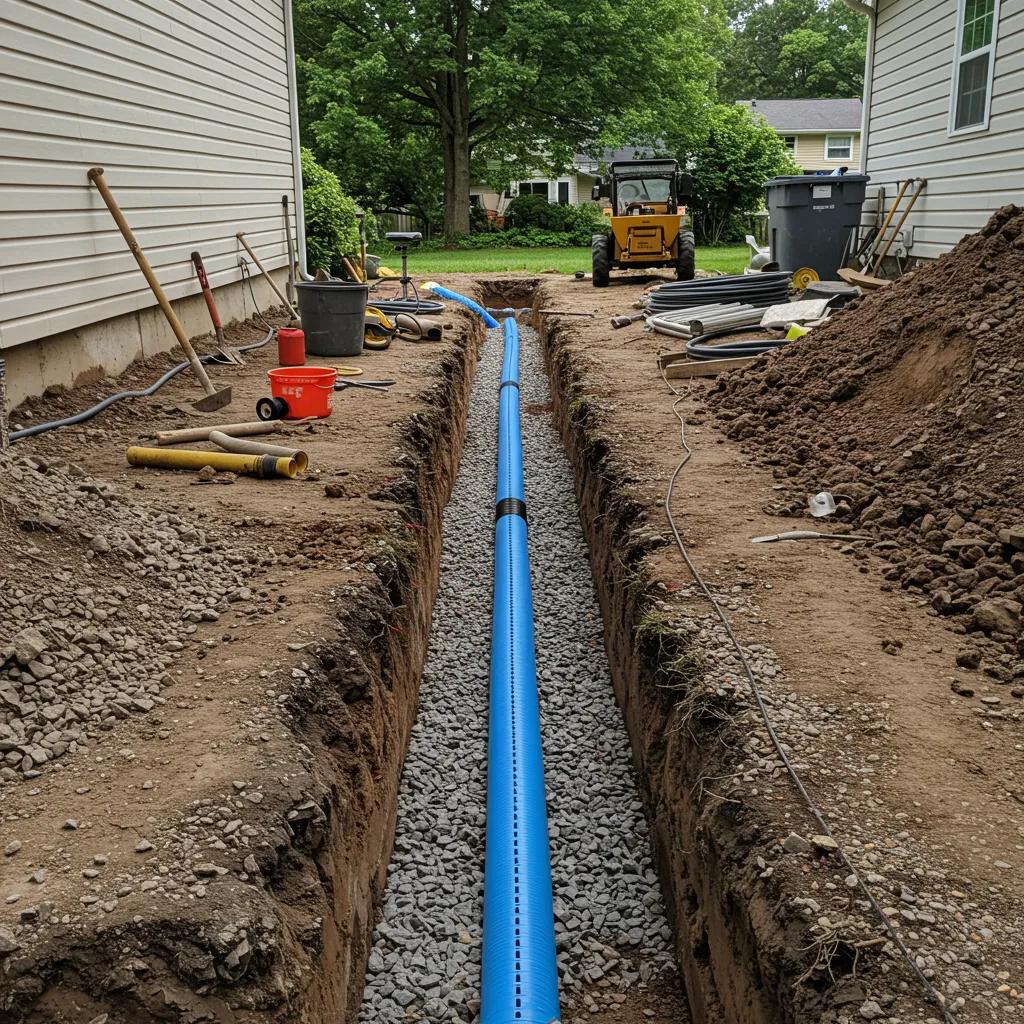
A French drain captures subsurface water and routes it to a safe discharge, lowering the hydrostatic pressure that forces water through walls and floors. Exterior drains keep water away from the footing; interior drains collect seepage at slab level and channel it to a sump pump. Proper installation—correct trenching, filter fabric, gravel bedding, and sloped pipe—is essential, and routine checks keep outlets clear. French drains are especially useful where clay soils or a high water table raise lateral pressure, and they work best as part of a system that addresses water at the source rather than just the symptoms.
Deciding on an interior vs. exterior French drain depends on access, landscaping goals, and how much groundwater pressure you’re facing near the foundation.
How Does Sump Pump Installation Help Manage Basement Moisture?
A sump pump actively removes groundwater collected by interior drains and discharges it away from the foundation so water doesn’t build up under the slab. Sump pits accept water from an interior French drain or floor trough, and submersible pumps move that water beyond the property line. Consider battery backups and alarms where power loss often accompanies heavy storms to keep the system running when you need it most. Regular maintenance—testing the pump, checking the discharge line, and inspecting float switches—keeps flood risk low during seasonal storms.
Right‑sized pumps and correct installation ensure the mechanical system complements passive drainage to protect the basement reliably.
How Can DIY Basement Sealing Save Costs and When Is Professional Help Needed?
DIY sealing can lower costs by letting homeowners tackle surface issues and routine maintenance. Tasks like cleaning gutters, extending downspouts, applying interior coatings, and patching hairline cracks with hydraulic cement reduce moisture entry and can postpone bigger projects. Still, active structural cracks, persistent hydrostatic leaks, widespread mold, or complex exterior drainage problems call for professional assessment and long‑lasting solutions.
When work moves beyond basic sealing and drainage, hiring experienced contractors prevents repeat failures and reduces lifetime costs.
- Gutter and downspout maintenance: Clear debris, make sure downspouts empty several feet from the foundation, and look for pooling near grade.
- Improve grading around the foundation: Add soil to create a slope that directs surface water away from walls and footings.
- Apply interior waterproof coatings: Follow manufacturer surface‑prep and application instructions to control minor seepage and vapor.
- Patch small cracks with hydraulic cement: For hairline or small leaks, hydraulic cement can stop visible drips as a temporary remedy.
Adry Basement Waterproofing serves Albany, NY with experienced, local basement waterproofing services.
- Free estimates: We evaluate issues and recommend cost‑effective next steps at no charge.
- Flexible payment plans: Options to help budget larger repairs without delaying essential work.
Call in professionals when cracks are wider than hairline, water is entering under pressure, or multiple failure points suggest foundation settlement.
What Affordable DIY Basement Waterproofing Methods Are Effective?
DIY methods that pay off focus on keeping water away from the foundation and sealing small entry points without heavy excavation. Start with cleaning and repairing gutters, regrading soil to slope away from the house, adding simple downspout extensions, applying interior vapor‑control coatings, and using hydraulic cement for minor leaks. Use common tools, follow safety guidance—gloves, eye protection, and proper ventilation—and monitor results through a few weather cycles to confirm effectiveness or spot residual issues that need a pro.
DIY is a smart choice for visible, low‑pressure problems, but it’s not a substitute when groundwater pressure or structural movement produces persistent leaks.
When Should You Hire Experts for Basement Sealing and Foundation Repair?
Bring in specialists when signs point to structural trouble, widespread water intrusion, or repeated failures despite DIY fixes—look for horizontal cracks, stair‑step foundation fractures, bowed walls, or active, pressurized leaks. Professionals perform diagnostics—moisture mapping, structural assessment, and drainage design—and install solutions like French drains, sump systems with backups, and engineered crack repairs that need specialized equipment. Hiring a licensed, insured contractor also helps with permits and gives you warranties that DIY can’t match. When in doubt, a professional inspection often saves money by targeting the true cause rather than masking symptoms.
What Factors Influence Basement Waterproofing Cost in Albany NY?
Cost depends on the technique, extent of intrusion, access, soil conditions, and local climate factors that affect materials and labor. For Albany, clay soils increase hydrostatic pressure, freeze/thaw cycles stress materials, and regional labor rates influence installation prices. Tight access, landscaping, or paved areas raise labor and equipment needs, while adding drainage upgrades or a sump pump expands scope. The table below breaks down key cost factors, how they affect price, and Albany‑specific notes to guide realistic budgeting and method selection.
This breakdown shows why an initial inspection is essential to produce an accurate estimate and avoid underbudgeting for the fixes your basement actually needs.
Adry Basement Waterproofing offers local estimates and flexible payment options—ask about a free visit to get a tailored price for your basement.
How Do Material and Labor Costs Vary for Different Sealing Techniques?
Cost composition varies by method: coatings are material‑light and labor‑moderate; drainage systems are both material‑ and labor‑intensive; crack injections rely on skilled labor and specialized materials. Coatings cost is driven by product volume and prep time, while exterior French drains require excavation, piping, fabric, and significant labor. Epoxy injections use specialized resins and experienced technicians, increasing labor but often restoring structural integrity and avoiding future expense. Knowing where costs sit—product vs. labor—helps you find savings without sacrificing longevity.
Estimating the product‑to‑labor split early clarifies where a modest extra investment buys durable performance or where a budget option makes sense as a temporary measure.
How Does Albany’s Climate Impact Waterproofing Expenses and Choices?
Albany’s cold winters, freeze/thaw cycles, and spring runoff accelerate wear on sealants, increase the need for reliable drainage, and affect the timing of exterior work to avoid frost complications. Freeze/thaw can open joints, so flexible sealants and solutions that reduce saturation perform better over time. Clay soils hold moisture and increase hydrostatic pressure near foundations, making passive sealants less reliable unless paired with drainage. Choosing resilient materials, scheduling exterior work in milder months, and adding battery‑backed pumps help systems handle local weather extremes and lower lifecycle maintenance costs.
Design choices that anticipate seasonal stress keep waterproofing effective longer and cut the need for repeat interventions.
How Does Crawl Space Encapsulation Complement Basement Sealing for Moisture Control?
Crawl space encapsulation seals moisture pathways at the building envelope and limits ground vapor from entering conditioned spaces, which reduces basement humidity and mold risk. Encapsulation uses a heavy vapor barrier on crawl floors and walls, sealed vents, and often a dehumidifier to create a controlled, dry space. This reduces upward moisture migration, improves indoor air quality, and supports energy efficiency by limiting cold, damp air transfer. Combined with proper drainage and sealed foundation walls, encapsulation is part of a whole‑house moisture strategy that protects structure and comfort.
What Are the Benefits of Crawl Space Vapor Barriers and Encapsulation?
Vapor barriers cut soil moisture migrating into the home, lower humidity, and deter pests and rot by keeping the under‑floor area dry. Encapsulation reduces HVAC load by limiting cold air infiltration, which can lower energy bills and improve first‑floor comfort. Properly installed barriers and sealed vents also help prevent mold and wood decay from persistent ground moisture. Regular inspections and occasional moisture checks ensure the system continues to perform and preserves building components over time.
How Does Crawl Space Encapsulation Improve Indoor Air Quality and Property Value?
Encapsulation improves indoor air by blocking soil gases, mold spores, and moisture from entering living spaces, reducing allergen exposure and mold triggers. Homes with effective moisture control and dry crawl spaces typically show better in listings and appeal to buyers who want low‑maintenance, healthy homes. Documenting encapsulation along with basement waterproofing shows a comprehensive approach to moisture management that reduces disclosure concerns and can streamline sale negotiations.
What Are the Long-Term Benefits of Affordable Basement Sealing Techniques?
Affordable sealing methods deliver long‑term value by preventing mold, slowing structural deterioration, and letting homeowners reclaim usable basement space when moisture is controlled. Modest up‑front investments in coatings plus drainage often reduce recurring remediation costs, lower health risks tied to dampness, and improve resale appeal. Choosing techniques that match the moisture source and expected durability maximizes return on investment and reduces emergency repairs. The list below highlights the main long‑term advantages over a 5–10 year horizon.
- Mold and moisture prevention: Proper sealing stops conditions that allow mold to thrive and lowers indoor allergen loads.
- Structural protection: Controlling water and hydrostatic pressure slows masonry and wood decay and extends foundation life.
- Usable living space: Dry basements can be finished for storage, recreation, or rental use, increasing functional square footage.
- Reduced maintenance costs: Tackling root causes limits repeated patching and emergency interventions.
Adry Basement Waterproofing provides trusted basement waterproofing in Albany, NY. If you’d like help turning these long‑term benefits into an actionable plan, request a free estimate to review your property and financing options.
How Does Sealing Prevent Mold, Structural Damage, and Improve Usable Space?
Sealing removes the persistent moisture that feeds mold, cutting airborne spores and surface colonies that harm health and finishes. By limiting water entry and saturation, sealing also reduces freeze/thaw damage and wood rot that lead to costly structural repairs. With moisture under control, basements and adjacent areas become suitable for storage, utilities, or finished living space—boosting usable square footage and homeowner satisfaction. A common outcome is converting a damp storage area into a dry, insulated utility or finished room after combined sealing and drainage work.
Why Does Proper Basement Waterproofing Increase Property Value and Peace of Mind?
Proper waterproofing eases buyer concerns about hidden water damage, mold remediation, and structural problems, which often reduces contingencies and improves marketability. Buyers value documented moisture control, which can lead to smoother negotiations and fewer price reductions after inspections. Beyond resale, homeowners gain peace of mind knowing the risk of disruptive flooding and health hazards is greatly reduced, making budgets more predictable and homeownership less stressful. For many, that long‑term confidence is the main reason to invest in comprehensive waterproofing.
Frequently Asked Questions
What are the signs that my basement needs sealing?
Look for water stains on walls or floors, musty odors, visible mold, rising humidity, or cracks in walls and floors. If water appears during heavy rain or snowmelt, that’s a clear sign moisture is entering. Do seasonal checks—especially after storms—to spot problems early and avoid more extensive damage.
How long do basement sealing techniques typically last?
Longevity depends on the method and conditions. Interior coatings can last several years with proper maintenance; correctly executed crack injections may be long‑lasting; exterior drainage systems like French drains often last 15+ years with upkeep. Soil type, moisture levels, and freeze/thaw cycles influence performance, so regular inspections are important.
Can I combine different sealing techniques for better results?
Yes. Layering techniques—such as interior coatings paired with exterior drainage—creates a stronger defense by addressing both surface water and hydrostatic pressure. A tailored, combined approach usually delivers the best results for persistent moisture problems.
What maintenance is required after sealing my basement?
Keep gutters and downspouts clear, inspect for new cracks or damp spots, and ensure drainage systems are working. Monitor humidity and consider a dehumidifier if needed. Check systems after heavy weather to catch issues early and maintain a dry, healthy basement.
Are there any DIY methods for basement sealing that are effective?
Yes—DIY options include applying interior waterproof coatings, patching small cracks with hydraulic cement, regrading soil, and adding downspout extensions. These work well for surface‑level problems but aren’t substitutes for professional solutions when groundwater pressure or structural movement is involved.
How can I determine the best sealing technique for my basement?
Identify how water is entering—through cracks, seepage, or hydrostatic pressure—and consider soil type, climate, and foundation condition. A professional inspection can pinpoint the source and recommend the most effective, cost‑efficient solution for your situation.
What are the potential risks of not sealing my basement?
Ignoring basement moisture can lead to mold growth, structural damage, higher repair bills, and reduced property value. Persistent water weakens foundation materials and can create health and safety issues. Proactive sealing protects your home and investment.
Conclusion
Affordable basement sealing protects your home from moisture damage and strengthens the structure while making basement spaces usable and healthier. By understanding available methods and matching them to your specific cause of water intrusion, you can make informed choices that save money over time and improve resale appeal. Don’t wait for water to escalate into bigger problems—take practical steps now. Contact Adry Basement Waterproofing for a free estimate and a plan tailored to your Albany property.